

14 Aug Getting More From the Grid
The United States is entering an era of surging energy demand.
Kansas is not exempt from its impacts. Electricity demand across the Southwest Power Pool (SPP), the regional grid that serves the state and most of its neighbors, is on track to nearly double by 2035, according to its 10-year forecast. As power supply falls behind this growing demand, electricity bills continue to rise for Kansans and factories across the state. Fortunately, federal regulators recently equipped SPP with the power to enact smart reforms that make better use of existing energy infrastructure.
To help keep lower costs for everyone connected to the grid, regulators like SPP need to enable solutions that deliver energy to the biggest consumers, like factories and biofuels facilities, by better using the grid resources we have today.
Kansans already pay to build and maintain a power grid to meet the energy demand of the hottest summer day – but, on average, nearly half of that grid capacity goes unused. Instead of just building more power generation and transmission that would only be used a few hours each year, there’s a massive opportunity to power the state’s biggest energy users with the power plants and the wires we’ve already built. In the same way a farmer can double-crop beans behind wheat in a good year to earn more, we can defray the costs of the grid by adding new, productive uses to the grid when it currently sits idle.
That’s the core logic of thermal energy storage. Thermal energy storage selectively soaks up electricity when the grid is unconstrained and underutilized, storing it as heat in low-cost materials. Stored energy is then affordably delivered around-the-clock to industry that supports jobs in Kansas. This added use helps cover grid costs without requiring buildout of new electricity infrastructure.
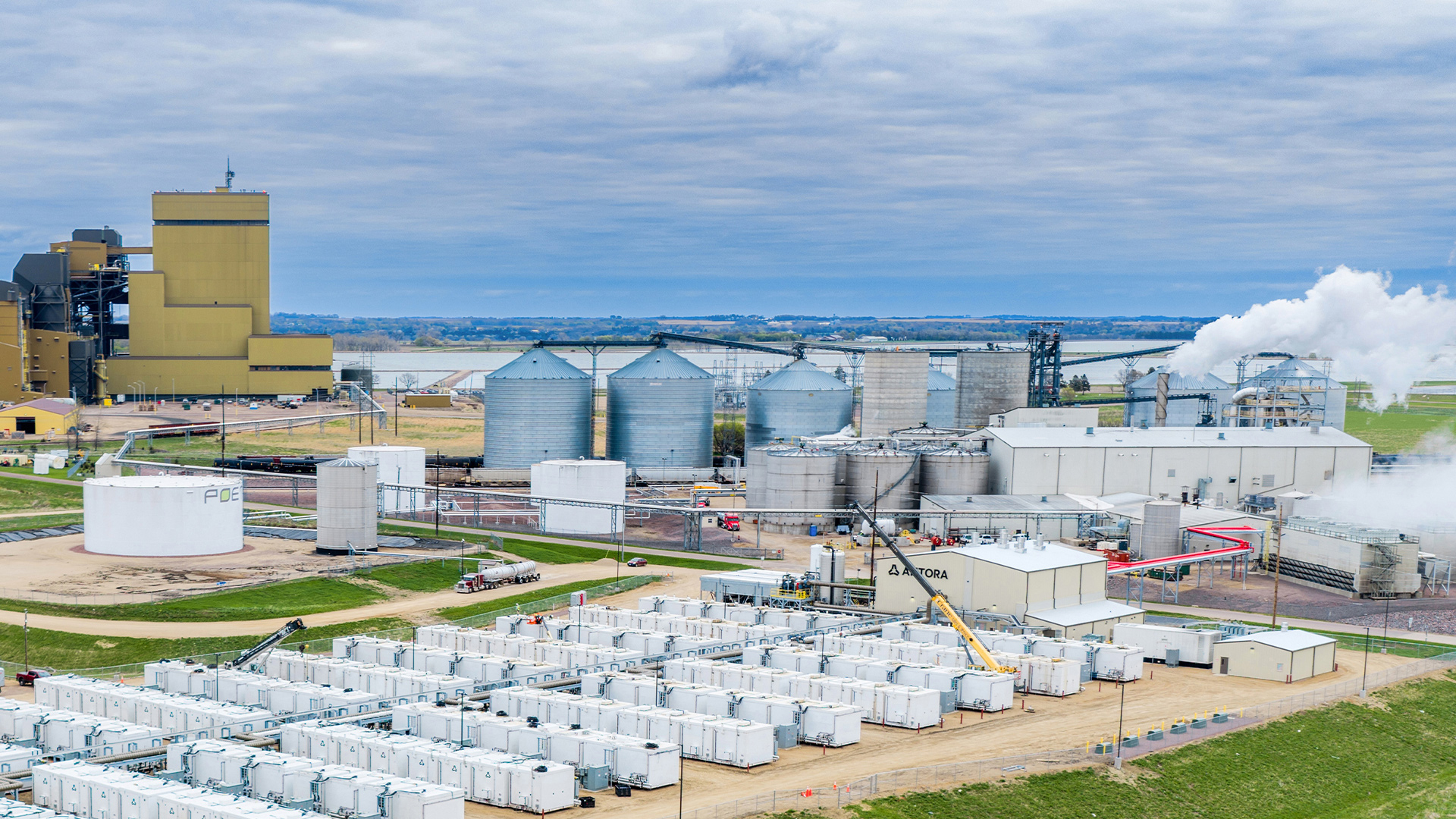
In Big Stone City, South Dakota, a new thermal storage project from Antora, an American thermal storage company, is already proving the technology’s value at a massive scale. The project, which currently ranks as one of the largest energy storage projects in the world, uses surplus electricity to deliver reliable energy to POET, the world’s largest producer of biofuels. The investment enables lower grid costs for all users, helps make POET’s operations more efficient, and increases the company’s grain purchases from local farmers by tens of millions of dollars each year. The project and those set to follow will help local businesses and industry grow at a time when rising costs continue to hamper American competitiveness.
The agricultural, industrial, and manufacturing base of the Great Plains runs day and night and needs reliable, affordable energy to stay competitive. Thermal storage uses the grid we already have to deliver this energy, helping to pay down the cost of our shared electricity infrastructure and benefitting everyone who uses the grid.
However, for thermal storage to deliver those benefits in Kansas, SPP will need to take up the mandate given to it by federal energy regulators and adopt a new, more flexible energy policy. Doing so will help keep power affordable for the farmers, workers, and industries that depend on it.
Ron Seeber is the President and CEO of Renew Kansas Biofuels Association, a leading biofuel advocate, and Jordan Kearns is the Executive Vice President of Project Development at Antora Energy, an American thermal energy storage company.